Isis of Philae
Isis, the devoted wife of Osiris and mother of Horus, was one of the most widely worshipped deities of the ancient world, with followers from Nubia to Rome. Her sanctuary at Philae was built mainly under the Ptolemies and Roman emperors, and pilgrims came from far to the south.
The end of an era
The last known inscription in hieroglyphs was carved here in AD 394, and the last demotic graffito decades later. Worship of Isis continued at Philae long after it had been banned elsewhere in the Roman Empire; the temple was closed in the 6th century under Emperor Justinian and later partly used as a church.
Rescued from the water
After the first Aswan dam was built in 1902, Philae spent much of each year flooded. When the High Dam threatened to submerge it for good, the temples were dismantled and rebuilt on nearby Agilkia Island, landscaped to resemble the original.
Trajan's Kiosk
The most photographed building at Philae is an unfinished, roofless pavilion of fourteen columns on the island's edge, known as Trajan's Kiosk. It was probably a monumental gateway for the sacred boat of Isis arriving by river, and its elegant silhouette has made it a symbol of Philae since the first travellers came.
Birthplace of Horus
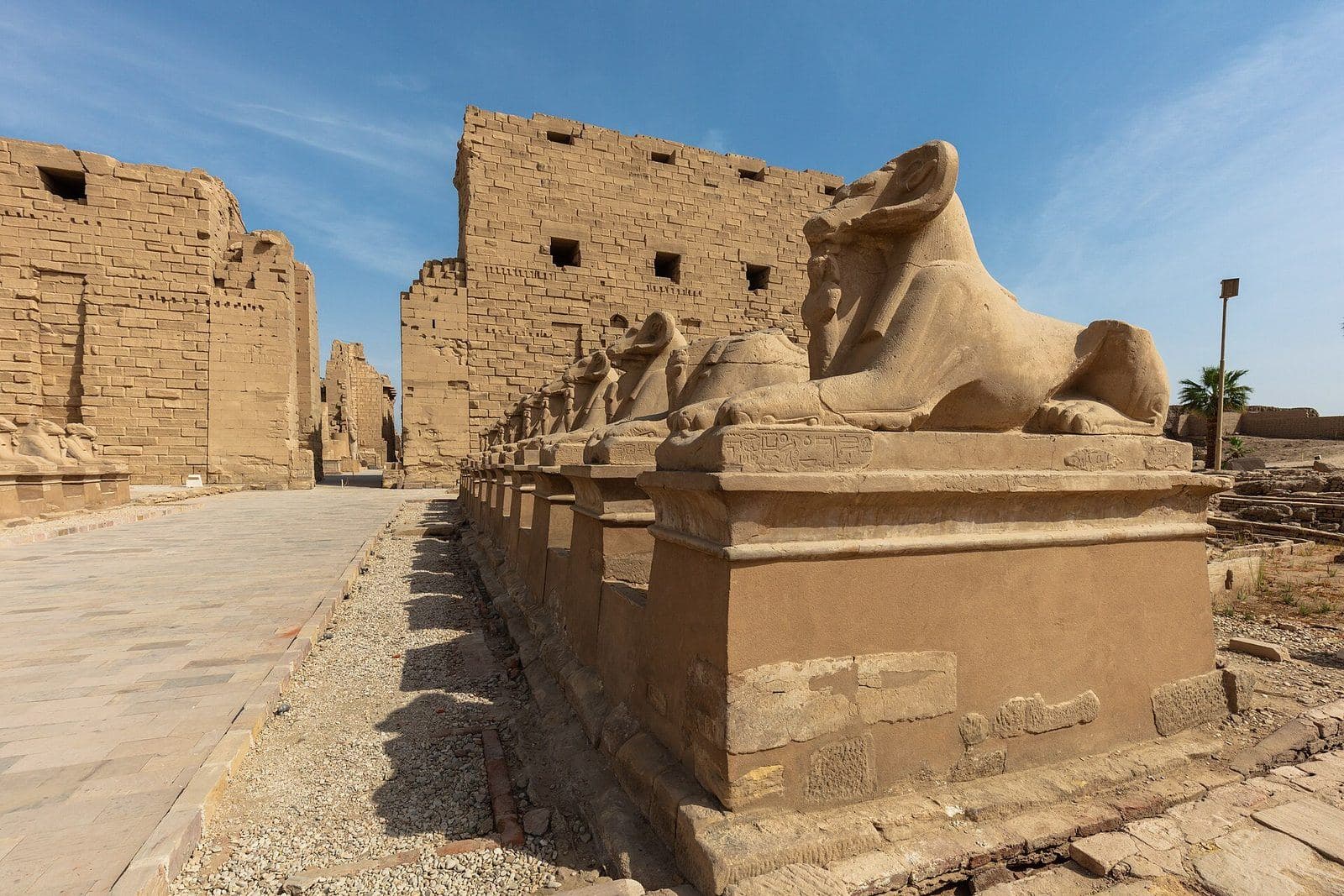
Behind the great pylons is the mammisi, or birth house, celebrating the birth of Horus, son of Isis. Its reliefs show Isis nursing the young god in the marshes — an image that spread across the Roman world with the cult of Isis.
Visiting tips
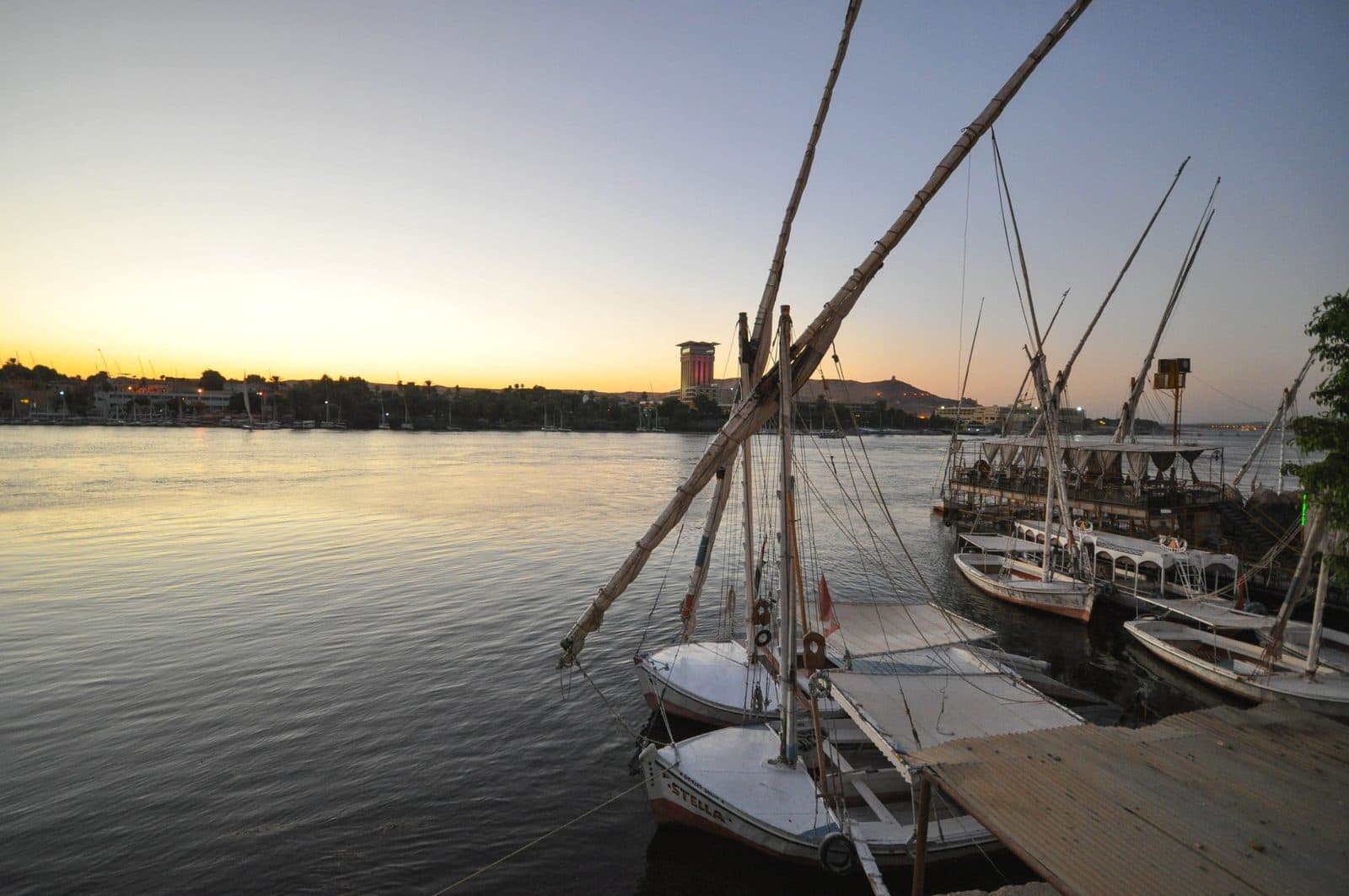
- Boats leave from the Shellal marina; agree the return time with your boatman.
- The evening sound and light show is one of the best in Egypt.
- The boat fare isn't included in the site ticket — agree it at the marina.